



The operators plan to work the bands from 160 to 6 meters, using CW, SSB, RTTY, and FT8. The official frequency plan includes nine primary HF bands, while a 24-hour FT8 station is planned for 6 meters on 50.313 MHz, with possible activity on CW and SSB as well. Activity on the 60-meter band is also planned.
The expedition will also go beyond conventional HF operation. The team has announced activity via the satellite QO-100 and EME, using reflections of the signal from the Moon. The team includes operators responsible for CW, SSB, digital modes, QO-100, and EME.
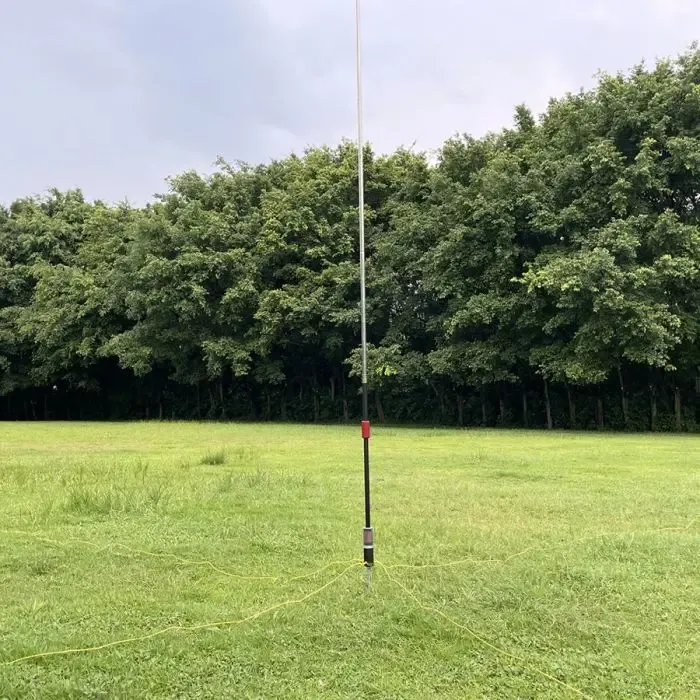
The station will also be equipped with an extensive range of equipment. The organizers list, among other things, three transceivers Kenwood TS-590, ELAD equipment, an Icom IC-7000 and a Flex 8600M, several amplifiers, and an antenna array including Spiderbeams, vertical antennas for the lower bands, BOG receiving systems, a DX Commander, and a five-element antenna for 50 MHz.
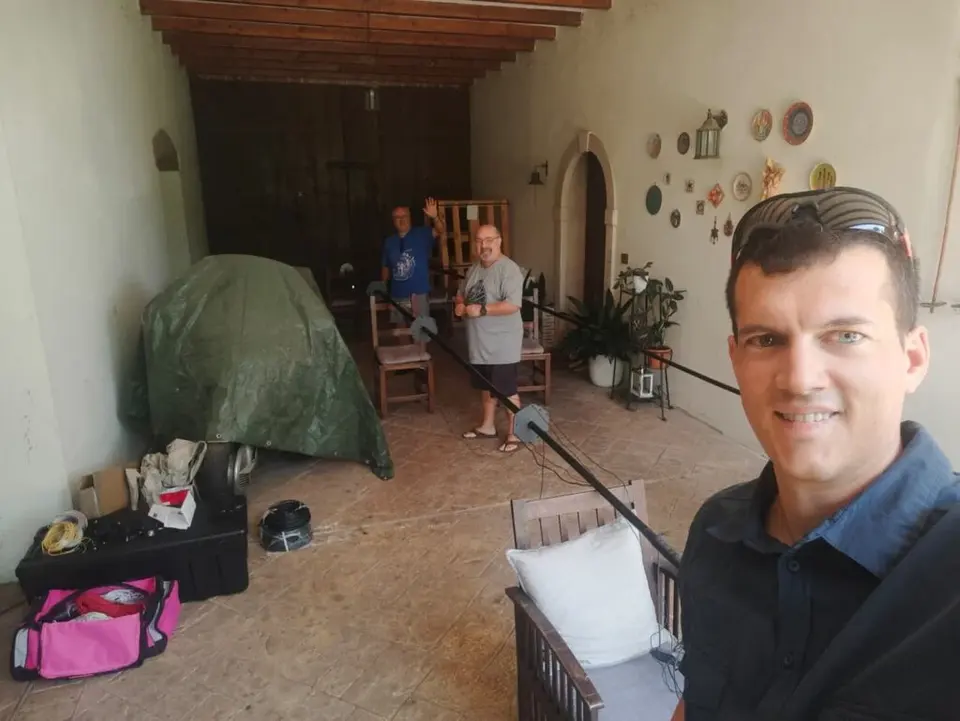
Technical preparations have been underway for many months. In July, team members tested and modified the antenna DX Commander Signature 12.4, to facilitate its rapid assembly, disassembly, and potential repair in field conditions. The modifications were intended to allow individual elements to be removed without dismantling the entire antenna system.
At the beginning of September, the organizers also launched a survey in which DXers can indicate the bands and modes on which they most need contacts with 9T0MD. The team says the results will help direct activity to where demand is greatest.
9T0MD – official expedition website
9T0MD – Frequency Plan
9T0MD – Expedition Equipment