

The contest will last one hour, from 05:00 to 05:59 UTC, and will take place on the 80-meter band – 3.5 MHz, in the contest segments specified by the IARU band plan. The permitted modes are CW and SSB.
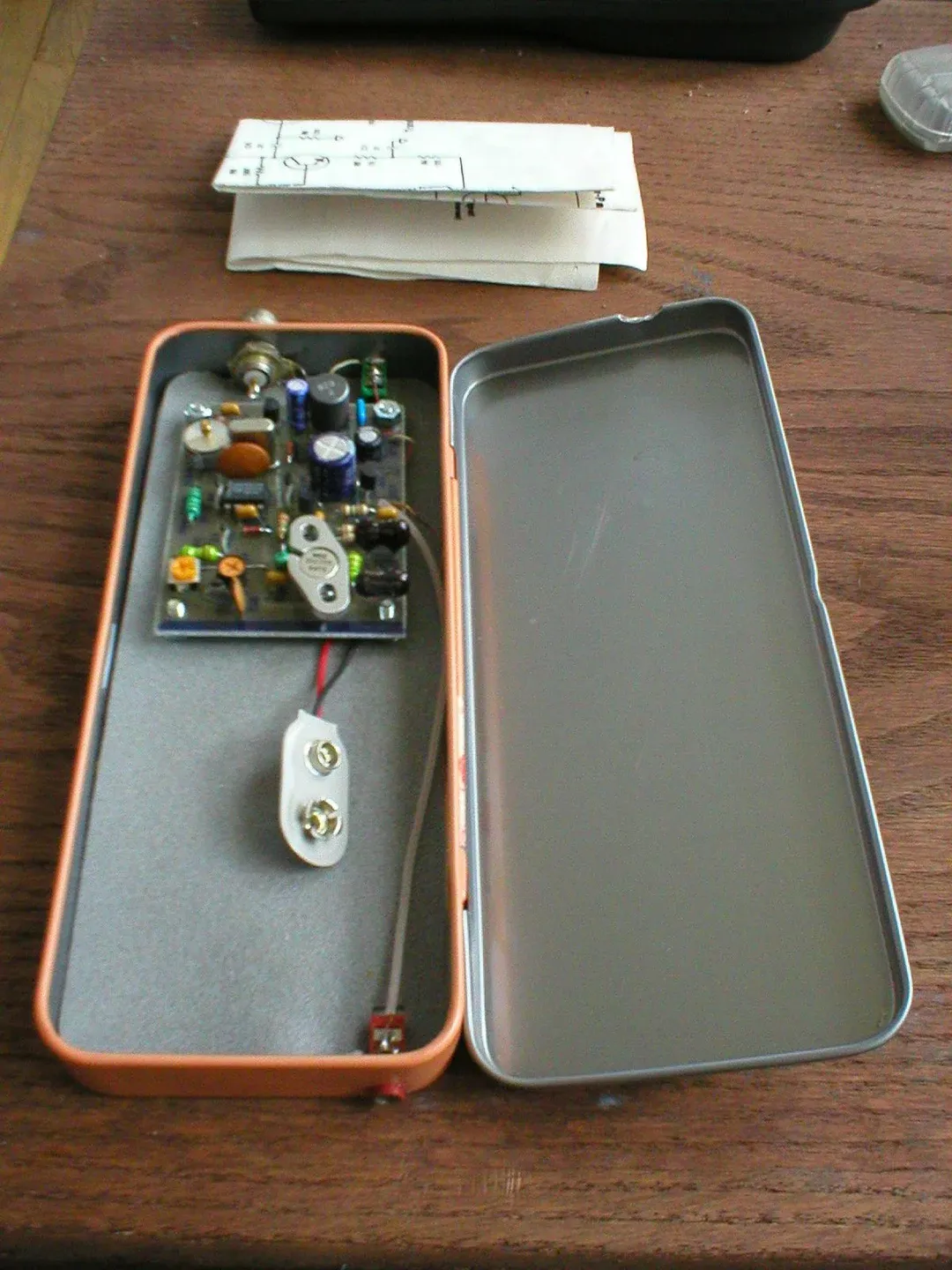
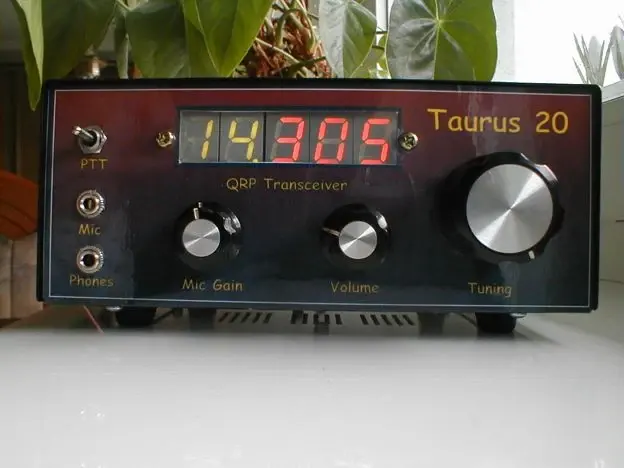
The key feature of SP QRP Contest is the transmitter power limit. A maximum of 5 W on CW and 10 W on SSB. The rules also specifically recognize operators using home-made, that is, self-built transceivers.
Participants compete in six groups. Three are intended for stations using commercially manufactured equipment—separately for CW, SSB, and MIX—and the other three are for operators using home-built equipment. In the mixed categories, a contact with the same correspondent may be repeated using the second mode.
The reports exchanged during a QSO vary depending on the type of equipment used. Commercial stations add the designation F, while operators of home-built equipment use HM. The organizer also points out that in QRP contests, transmitting accurate reports is particularly important, as they make it possible to assess antenna effectiveness, propagation, and signal strength at low power.
The scoring system additionally rewards contacts with home-made stations. An SSB QSO normally earns 1 point, while a contact with an HM station earns 2 points. On CW, the corresponding values are 2 or 4 points. A minimum of five valid contacts is required for classification.
Logs must be prepared in Cabrillo format and submitted within three days of the end of the contest via the LogSP platform or by email to the contest committee. All classified participants will receive an electronic certificate, while the winner of the largest classification group will receive the PZK President’s Cup.
SP QRP Contest has been held since 2003, and since 2018 the formal organizer has been PZK, in cooperation with the SP-QRP Group community.