


The contest will last exactly one hour—from 16:00 to 16:59 UTC, that is, from 18:00 to 18:59 local time. Operators will work on two bands: 2 m in the 144 and 145 MHz segments, and 70 cm in the 432 and 433 MHz segments, in accordance with the VHF Contest Band Plan. The maximum permitted output power is 50 W.
The rules permit CW, SSB, and FM, with all contacts required to be made simplex. QSOs via repeaters will not count. Separate CW, SSB, and FM contacts may be made with the same correspondent on each of the two bands.
During contacts, participants exchange RS(T), the next QSO number, and the full WW locator. Contact numbering is shared across all modes. In this contest, the distance between stations is particularly important—for 2 m, each kilometer of QRB is worth 1 point, while on 70 cm, it is worth 2 points per kilometer. A QSO with a station in the same locator square is worth 1 point. No additional multiplier is used.
Three classifications have been established. Category A is intended for individual stations operating exclusively FM from a fixed QTH, while B is for individual FM stations operating from the field. Category C includes individual and club stations operating in MIX mode—CW, SSB, and FM. The organizer's station SP9PNB will participate in the contest but will not be ranked.
Logs must be submitted exclusively in Cabrillo format by September 26, 2026, by 23:59 local time to the address zawody@pzk.katowice.pl. All QSOs must be logged in UTC. The organizer announces that the results will be published within 14 days of the end of the contest.
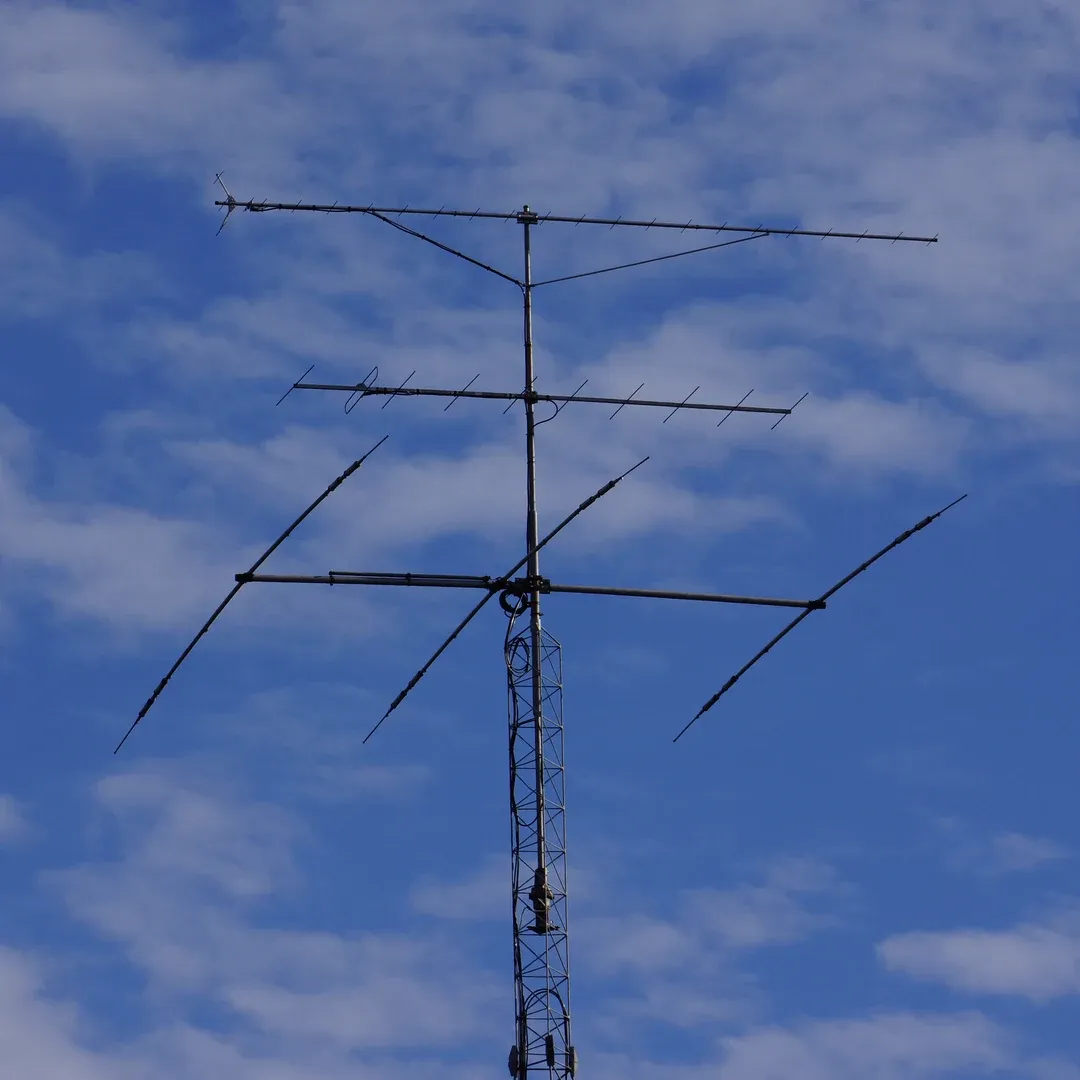
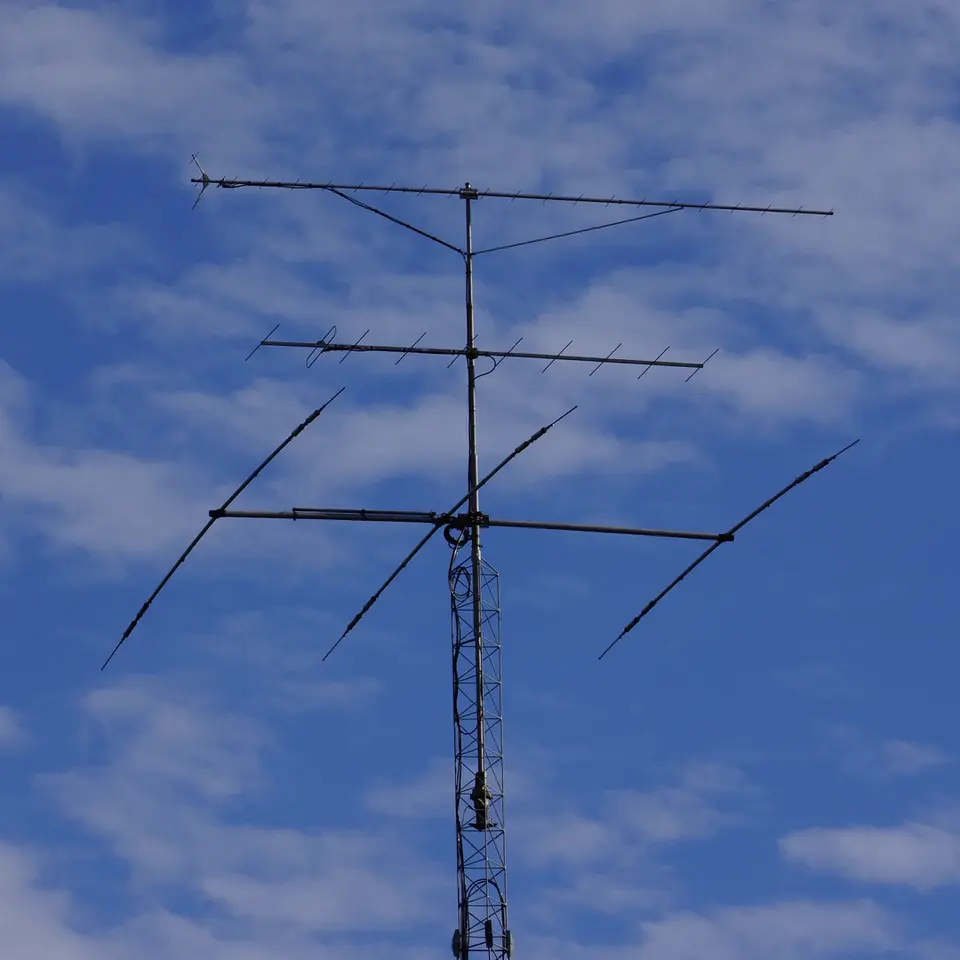
SP9-VHF Contest is a good opportunity both for operators with sophisticated directional antenna systems and for field stations. The distance-based scoring makes contacts made from high-altitude locations and under favorable propagation conditions particularly interesting.