



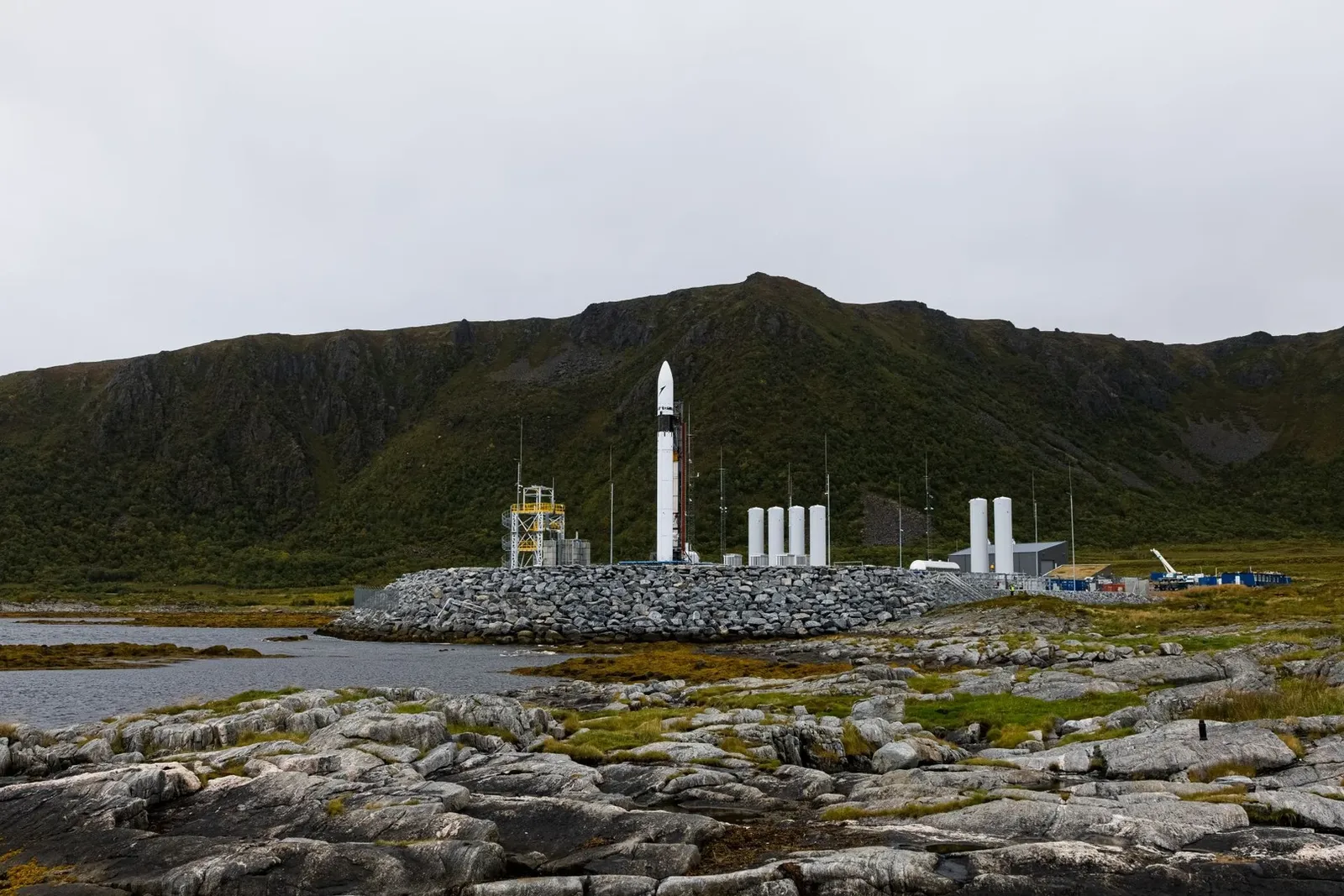
The Spectrum rocket launched from the Andøya Space launch site in Norway on September 5 at 20:12 UTC. This was the second Spectrum flight and, at the same time, the first successful orbital mission of the European commercial company Isar Aerospace. The mission payloads were selected as part of the German Space Agency DLR’s Microlauncher Competition, funded through the ESA Boost! program.
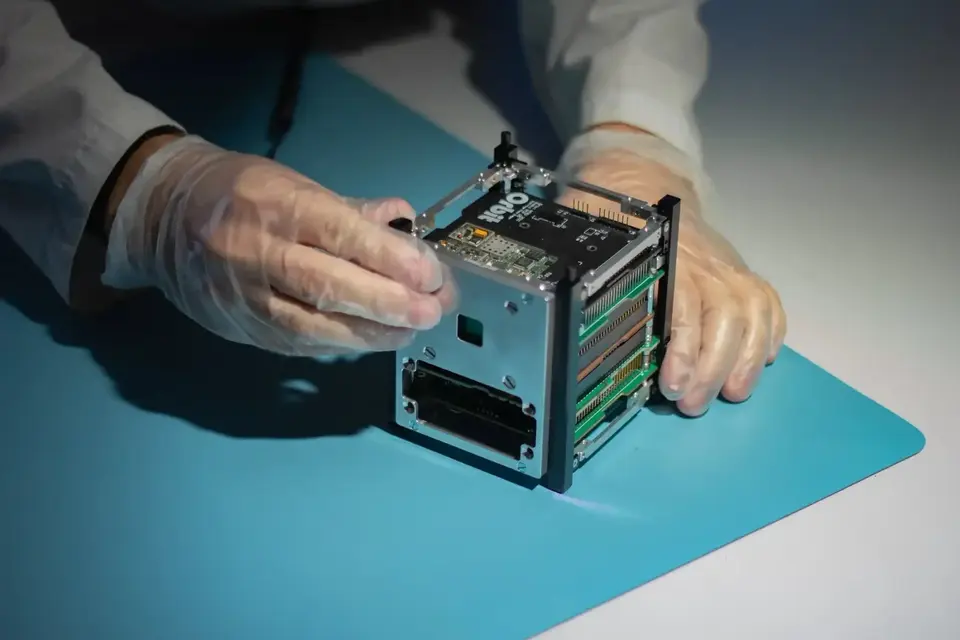
SpaceTeamSat1 is a TU Wien Space Team project. The small 1U-class satellite is equipped, among other things, with a Raspberry Pi and a set of sensors. One of the project’s objectives is to enable students and young radio amateurs to run their own prepared software aboard the satellite. STS1 is also planned to be made available as a data relay for radio amateurs. The downlink operates on 437,395 MHz, with emissions ranging from CW to 2GFSK at 115200 baud.
The second satellite, FramSat-1, was built by students from Norway’s NTNU in Trondheim. Its downlink operates on 435,141 MHz, while telemetry is transmitted at 9600 bit/s using AX.25, 2-FSK modulation, and framing G3RUH. The Orbit NTNU team confirms that FramSat-1 is in orbit and operating nominally. The first signals were received in Trondheim approximately three hours after the rocket launch.